PG&E's October 15 wildfire shutoffs took about 75 ALERTCalifornia cameras offline after a backup generator system failed to start. Safety systems that share a power source with the hazard they watch are a gap that only shows up when the grid goes dark.
Key Takeaways
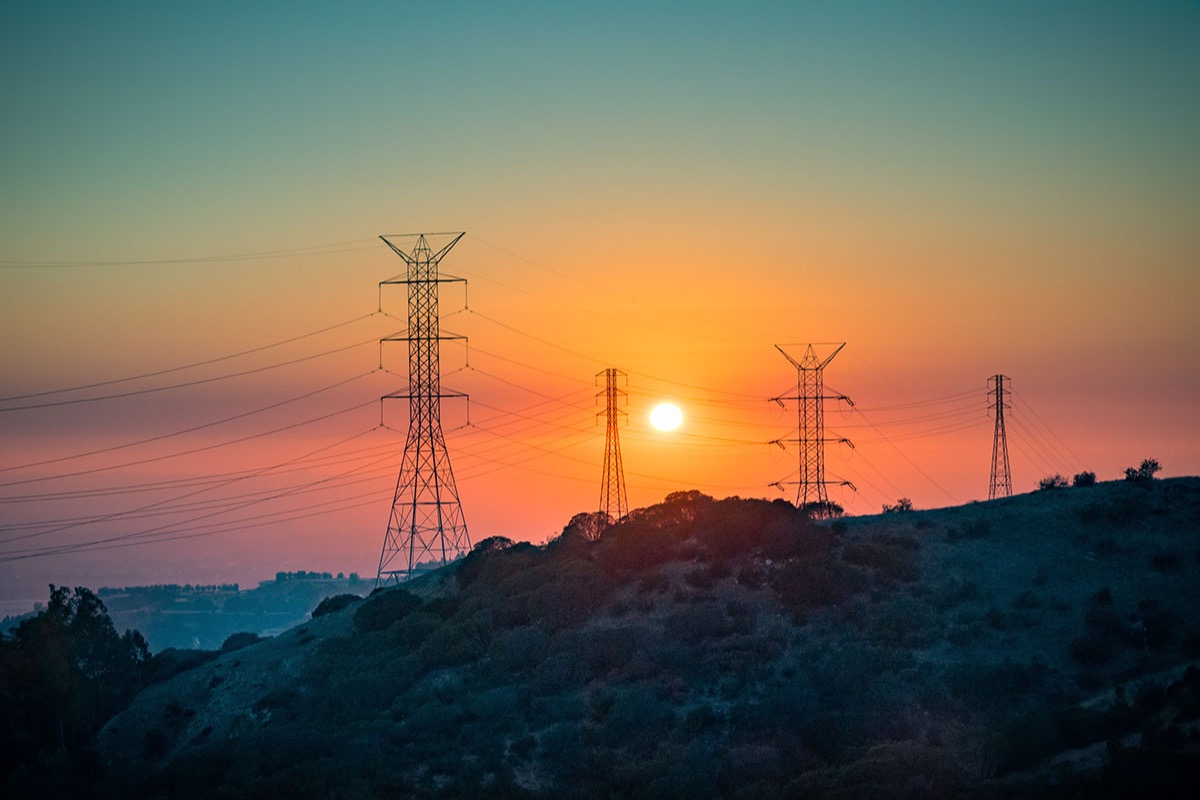
Utilities cut power during red flag winds for a simple reason: a live line in a gale can start the fire everyone is trying to prevent. Last Thursday that logic ran into its own blind spot. As Pacific Gas and Electric de-energized lines across Northern California, the cameras that let fire agencies watch those same ridgelines went dark too. A precaution against one risk quietly switched off the early-warning system for it, and the backup that was meant to cover the gap did not start.
According to The Press Democrat, ALERTCalifornia livestreams in Sonoma, Napa, Lake and Mendocino counties went offline on October 15 while crews fought a 5-acre brush fire near Lower Lake. At the peak, about 75 cameras across the state were down, and by 4:15 p.m. only about half of the affected feeds had been restored. PG&E spokesperson Megan McFarland confirmed the outages were caused by the power shutdown and said a generator system did not activate as the agencies had expected.
The cameras are not a side project. ALERTCalifornia, a UC San Diego program run in partnership with CAL FIRE, describes a network of more than 1,200 high-definition pan-tilt-zoom cameras that sweep 360 degrees about every two minutes and can see up to 60 miles on a clear day. Cal Fire's Mendocino Unit said the cameras' AI had already detected fires this year, including the 4,100-acre Lucas Fire in September, the region's largest of the season. The Sonoma County Fire Protection District said the outage stopped remote monitoring, so it called other agencies and added staff. Cal Fire said it stayed fully operational, which is the right outcome, but it was achieved by putting people back where the technology had been working.
The scale of the event explains why the dependency matters. The Associated Press reported that PG&E began proactive shutoffs on Wednesday night, leaving nearly 62,000 customers in 26 counties without power and warning 90,000 customers in 29 counties that they could lose it through Saturday afternoon. Southern California Edison cut power to an additional 65,000 customers in Los Angeles, Kern and Ventura counties and was considering shutoffs that could affect 207,000, including 105,000 in Ventura County. Fires still broke out: the Bryson Fire near Malibu grew to about 200 acres and forced the evacuation of a county juvenile facility, and a fire at Camp Pendleton spread past 1.5 square miles and briefly closed part of Interstate 5.
The Press Democrat reported that PG&E's Sonoma and Napa outage was its largest planned shutoff there since 2021, and that about 5,500 Medical Baseline customers, people who rely on powered medical equipment, were in scope statewide. Winds peaked at 50 to 60 mph, and the region had not seen rain since September 4. These are not rare conditions in California's autumn. They are the conditions shutoff programs are designed for, which means every system that depends on grid power in a high fire-risk area should be expected to lose it at exactly the moment it is most needed.
Companies operating in those counties face a version of the same problem. California's wildfire smoke regulation applies when the PM2.5 air quality index reaches 151 and employers should reasonably expect workers to be exposed. Employers must check the AQI at the start of each shift, tell workers what it is, train them, and supply N95-class respirators for voluntary use; above an AQI of 500, respirator use becomes mandatory. The rule's main exemption covers enclosed buildings with mechanical filtration and closed windows and doors, and its first-choice control is a filtered enclosed space that keeps exposure below 151.
Those protections assume the fans are running. The regulation does not say what happens when a planned outage stops a building's air handling during a smoke event, but the logic is clear enough: a site that relied on filtered air to stay exempt may stop qualifying for that exemption once the power is cut. A smoke plan that treats the HVAC system as a fixed asset has the same weakness as a camera network whose generator did not start. Both look complete on paper. Both rely on an outage not happening at the wrong time.
For sustainability, EHS and resilience leaders, the October 15 shutoffs are a cheap lesson, delivered without a catastrophic fire attached to it. The practical work is to find every safety system that shares a power source with the hazard it is meant to detect or control:
Rain was forecast to return to the North Bay this week, and the cameras that went dark are mostly back online. The next red flag warning will come, and the shutoffs will come with it. The organizations that come through it best will be the ones that already know which of their safety systems go dark when the power does.

Guide
When red flag winds cut the power, the cameras went dark and responders fell back on phone calls and extra staff. This guide covers the communication systems and response protocols that keep teams connected when the grid fails.
Download

Report
AI fire detection spotted the Lucas Fire, then lost its eyes when the power went out. This report examines where public sector AI enthusiasm is outpacing the readiness needed to keep it running.
Download

Guide
Smoke protection that depends on filtered air fails when a shutoff stops the fans. This framework helps EHS teams identify, assess and reduce risks like that across complex, multi-site operations.
Download
Hurricane Isaias became the Atlantic's first hurricane on October 7, the latest in the satellite era, days after Southern California's October heat warning. Risk plans built around a fixed season are preparing for the wrong months.
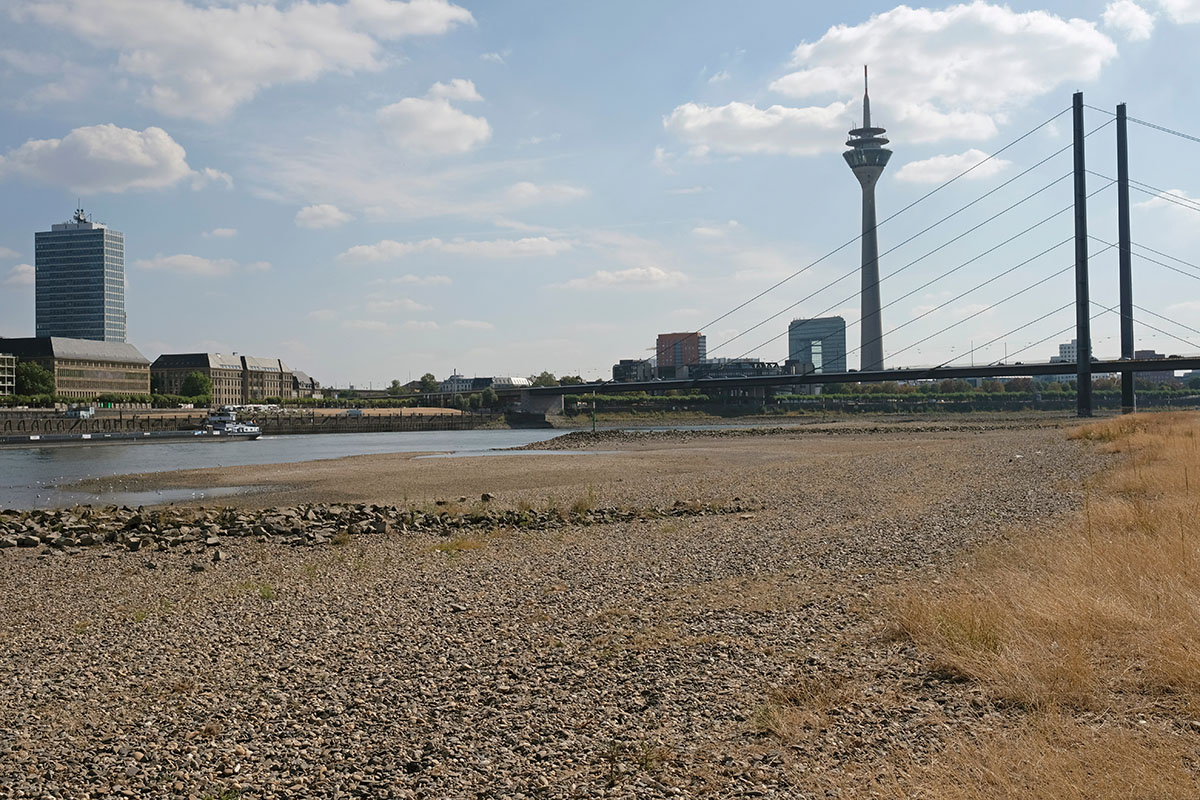
A key Rhine gauge fell to its lowest reading since 1880 and barges ran restricted for 74 days. English courts are signaling that weather this predictable may not count as force majeure, leaving the bill with whoever signed the contract.
