Budderfly has committed $500 million to finance, own and operate solar, storage and efficiency upgrades for small and midsize US cities, repaid from energy savings instead of debt. The model removes the upfront cost, but it moves the risk into long contracts that few councils are equipped to police.
Key Takeaways
Small cities face an awkward arithmetic. Their wastewater plants, garages and town halls run on aging equipment that costs more to power every year, while the capital budgets that would pay to replace it are thin and federal infrastructure money is winding down. A new offer aims to solve that problem by taking the capital decision off the table entirely. The catch is that it swaps a one-time spending vote for a contract that lasts longer than most councils, city managers and finance directors will stay in their jobs.
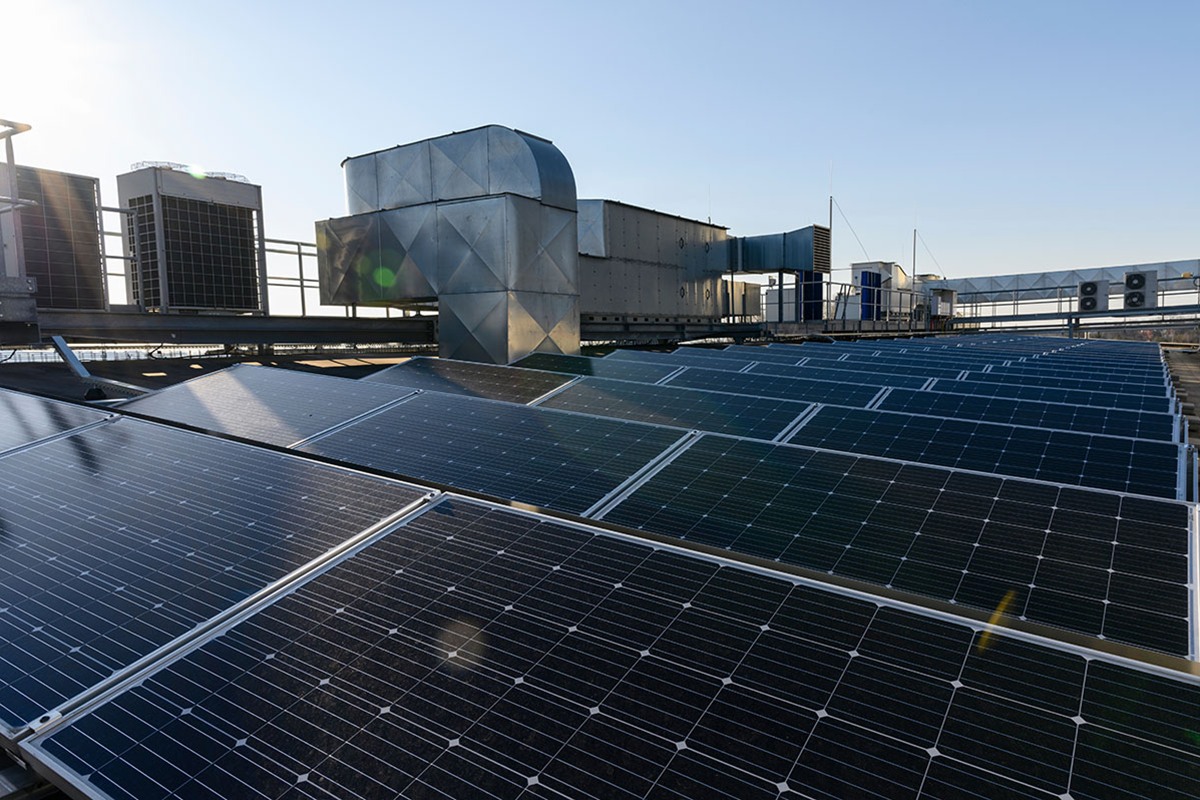
At the International City/County Management Association's annual conference in Long Beach this week, Budderfly and Schneider Electric announced a program called Modernizing American Cities. According to Water & Wastes Digest, Budderfly has committed $500 million in project capital and will finance, deploy, own, operate and maintain energy systems for small and midsize municipalities. Cities pay over time from operational savings rather than from upfront capital budgets or new debt. Eligible work includes solar, battery storage, EV charging, HVAC and lighting upgrades and energy monitoring, with Schneider supplying energy management and automation technology.
The ambition is large. pv magazine USA reports that Budderfly aims to upgrade 100 cities at roughly $4 million to $5 million each, forecasts energy savings of 60 to 80 percent per city, and plans to aggregate the sites into a 150 MW virtual power plant. The company says it has invested more than $378 million in facility upgrades over the past decade across more than 9,000 commercial customer locations. CEO Al Subbloie framed the pitch around a squeeze every finance director will recognize: cities, he said, "are being asked to modernize aging facilities while electricity costs rise and budgets remain tight."
The squeeze is real. In May, the US Energy Information Administration projected that residential electricity prices would average 18.2 cents per kWh in 2026, nearly 5 percent above 2025, with some East Coast areas facing average annual increases of up to 7 percent over the next two years. The EIA pointed partly to grid spending on extreme-weather resilience and rising demand. Meanwhile the National League of Cities reported that, compared with 2022, local governments are leaning more on local cash funding than on borrowing, a sign of limited fiscal flexibility, as federal investment under the Infrastructure Investment and Jobs Act winds down.
The template for the program is Cadillac, Michigan. As the Cadillac News reported in July, the city council unanimously approved an agreement under which Budderfly invests about $4.4 million across seven facilities: city hall, the wastewater treatment plant, a community center, the public works garage, the water department headquarters and well fields, and a treatment plant in the industrial park. Savings are shared between the city and the two companies for 15 years, after which all savings go to the city. A Budderfly representative estimated savings of about 65 percent.
The council did not pretend the decision was easy. One member said the proposal "seemed too good to be true" and voted yes largely on the strength of a trusted local board member's recommendation. City Manager Marcus Peccia called it a "leap of faith." The city spent about six months evaluating the model, and pv magazine reports that the council also voted to waive competitive bidding. Continuity Insights notes that Budderfly will own and operate the systems with guaranteed savings over the contract term, and that the project adds microgrid capability so essential services keep running when the grid fails. It also notes the obvious gap: no measured savings or outcomes have been reported yet.
None of this makes the model a bad deal. Shared-savings arrangements are a legitimate way to get efficiency and resilience built where capital is scarce, and a wastewater plant that stays powered during an outage has value no utility bill captures. But "no upfront cost" does not mean no cost. It means the cost is paid through a share of future savings, measured against a baseline, under terms that run for 15 years. Every one of those words is a place where the city's money is decided: how the baseline is set and adjusted, who verifies the savings, what happens when a facility closes or expands, who owns the demand-response revenue from a virtual power plant, and what the city can do if guaranteed savings fall short.
Waiving competitive bidding raises the stakes further, because the contract terms are the main safeguard left. For investors and companies watching the municipal market, the model is also a new kind of off-balance-sheet obligation: it does not show up as debt, but it commits a share of a city's operating savings for a decade and a half. As the program scales toward 100 cities, the quality of those contracts will matter as much as the quality of the equipment.
For city finance teams, and for the companies that operate in and partner with these communities, the playbook looks like this:
Budderfly's offer answers a real problem: cities that need new energy systems and cannot find the capital to buy them. Whether it becomes a model for sustainable municipal finance or a cautionary tale will be decided less by the solar panels than by the 15 years of contract terms behind them.


Report
Savings-funded energy deals are one answer to tight municipal budgets and rising power bills. This report looks at how public sector organizations turn that budget pressure into a redesign of how they deliver services.
Download

Guide
A 15-year shared-savings deal is only as good as the enforcement of its terms. This guide shows how contract analysis spots leakage and enforces pricing and savings terms across long supplier agreements.
Download

Report
Keeping a wastewater plant running through a grid outage is value a utility bill never shows. This report sets out the ROI frameworks and data points needed to build a business case for resilience.
Download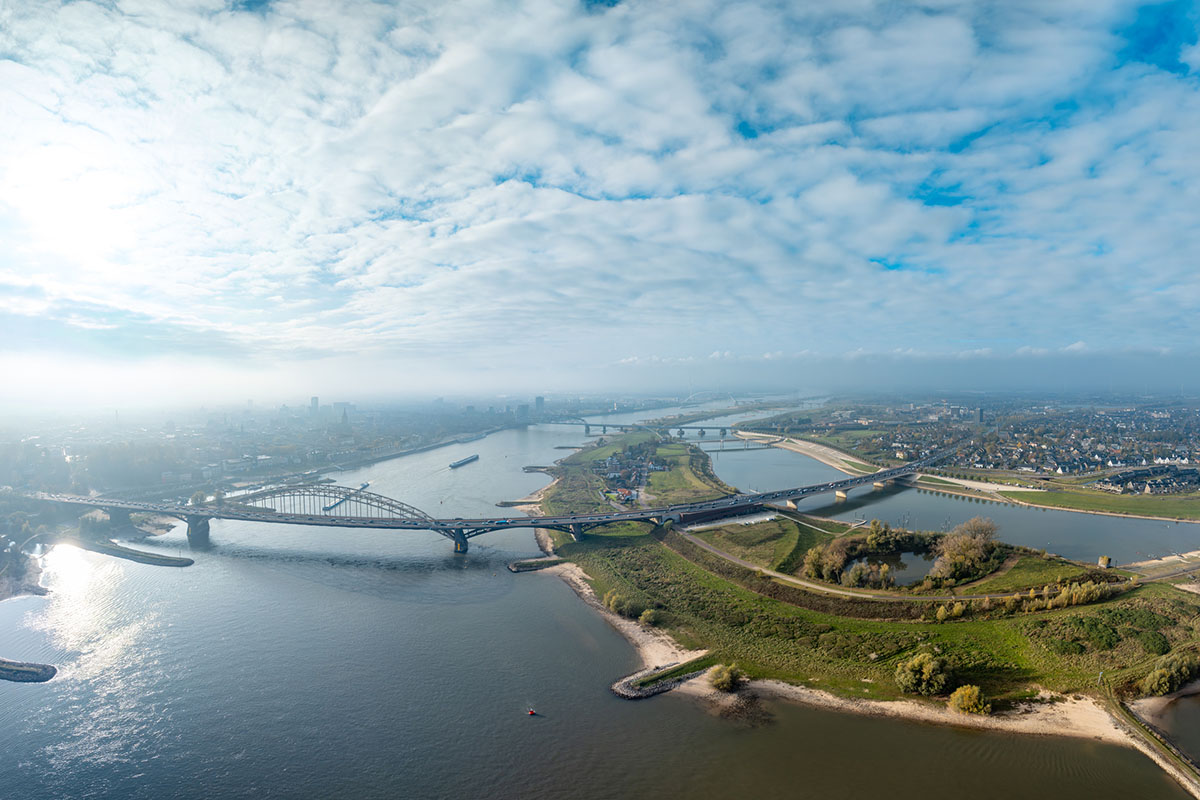
FEMA resilience grants dropped from $3.3 billion in 2022 to $726 million in 2025. The bill for flood and storm defenses is moving to states, cities and the businesses that depend on them.
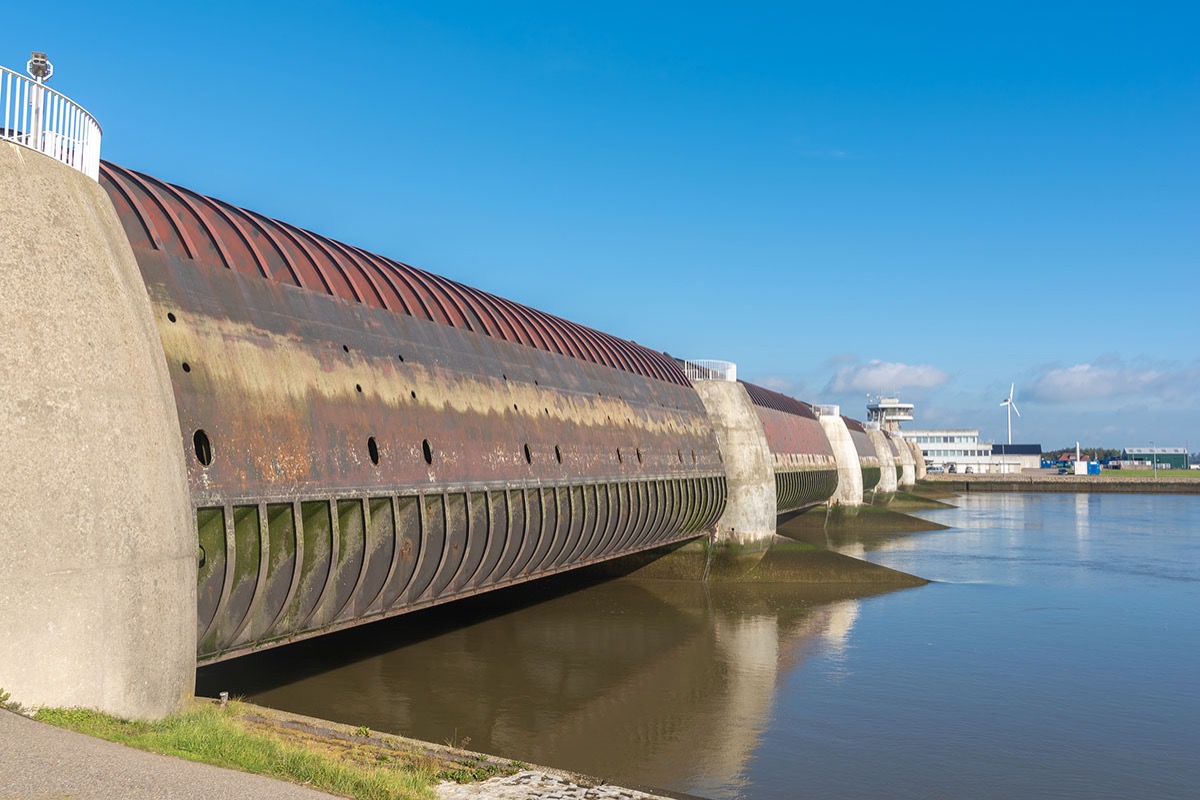
Schroders and CalPERS have built a framework to price adaptation as an investable market, and New York just sold its first ESG-labeled general obligation bonds. The money moving is still a fraction of what is needed.
